




 |
Other Brands |
|
|---|---|---|
| Grow Lights |

Kind LED Grow LightsBest grow lights of 2023 with industry leading, plant focused light spectrum. |
X
Cheap White LightsDo not settle for a cheaply made, under powered LED grow light! This is the heart of your system. |
| Grow Tents |

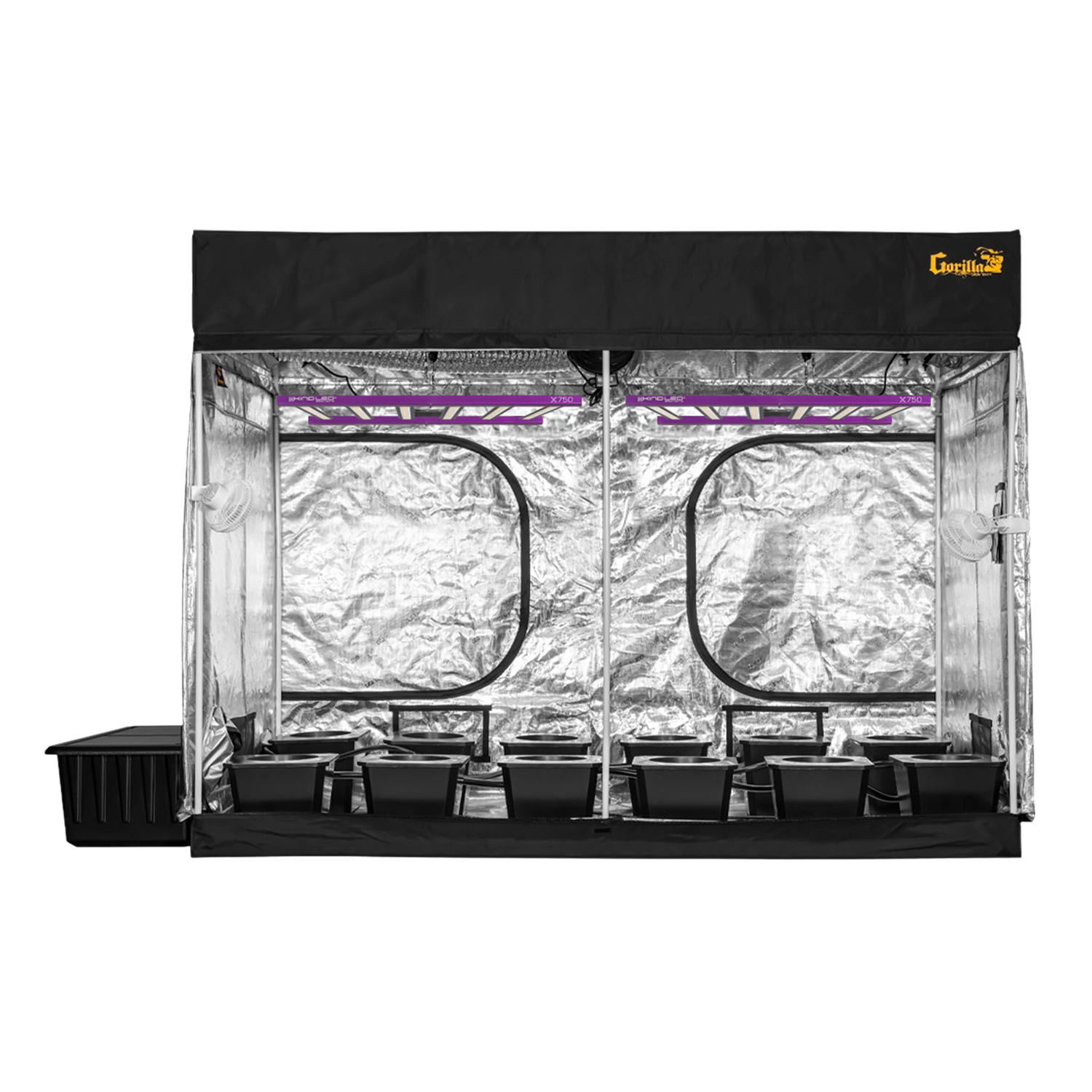
Gorilla Grow TentThese tents are the tallest, thickest, strongest tents in the industry. |
X
Flimsy Grow TentsCheap tents fall apart, leak light, and can collapse, creating safety hazards. |
| Hydroponics |

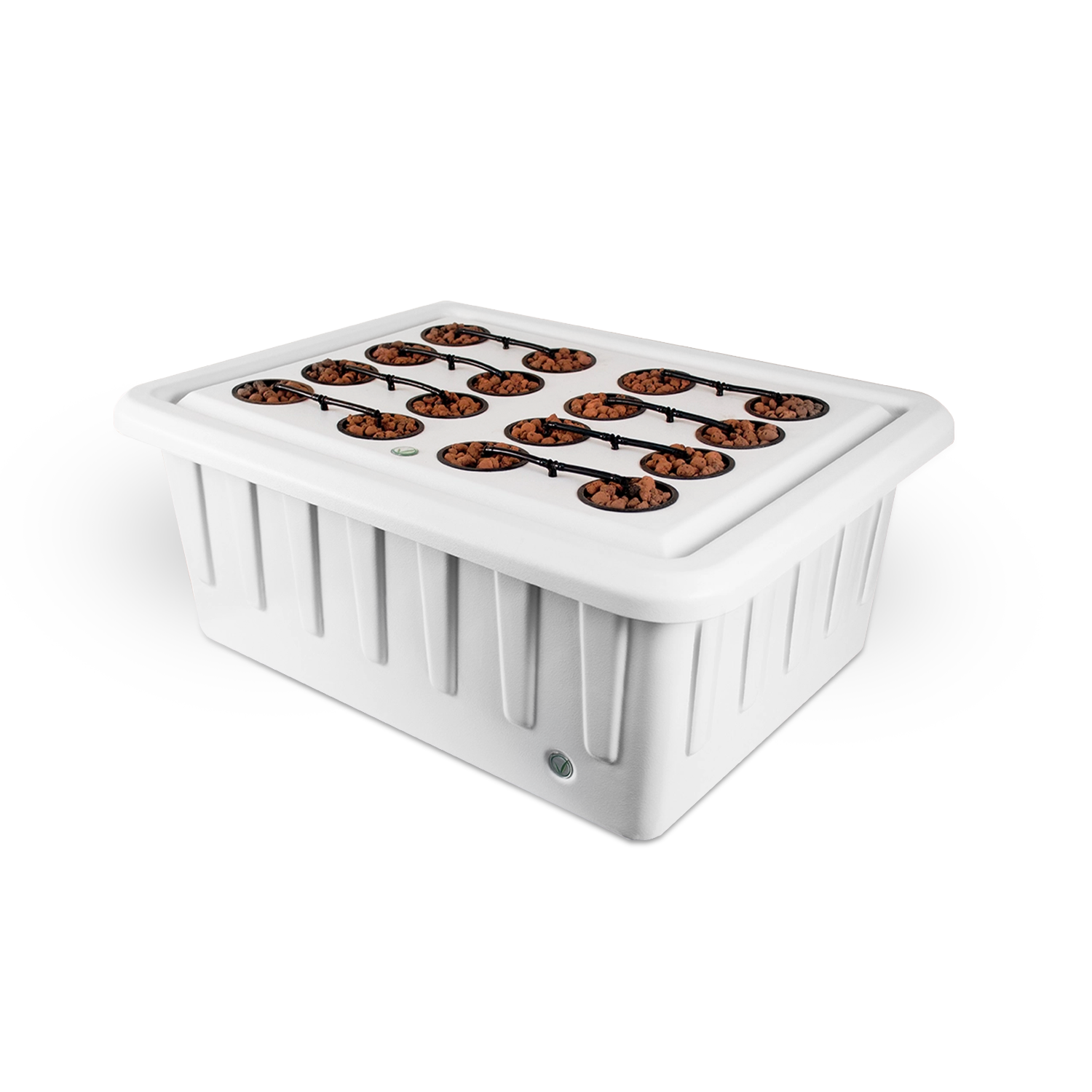
SuperPonicsAward-winning hydroponic systems are optimized for growing faster healthier plants with virtually no maintenance. |
X
Converted Storage BinsNot designed for hydroponics. Cheap thin plastic, cracks and leaks under use potentially leaching chemicals into your reservoir over time. |
| Nutrients |

Lotus Premium NutrientsThe highest quality nutrient line in the industry is also the easiest to apply for simple growing and amazing results every time. |
X
Generic NutrientsCheap 9-12 part liquid recipes are complicated, prone to error, messy, and offer unpredictable mediocre results. |
| Odor Control |
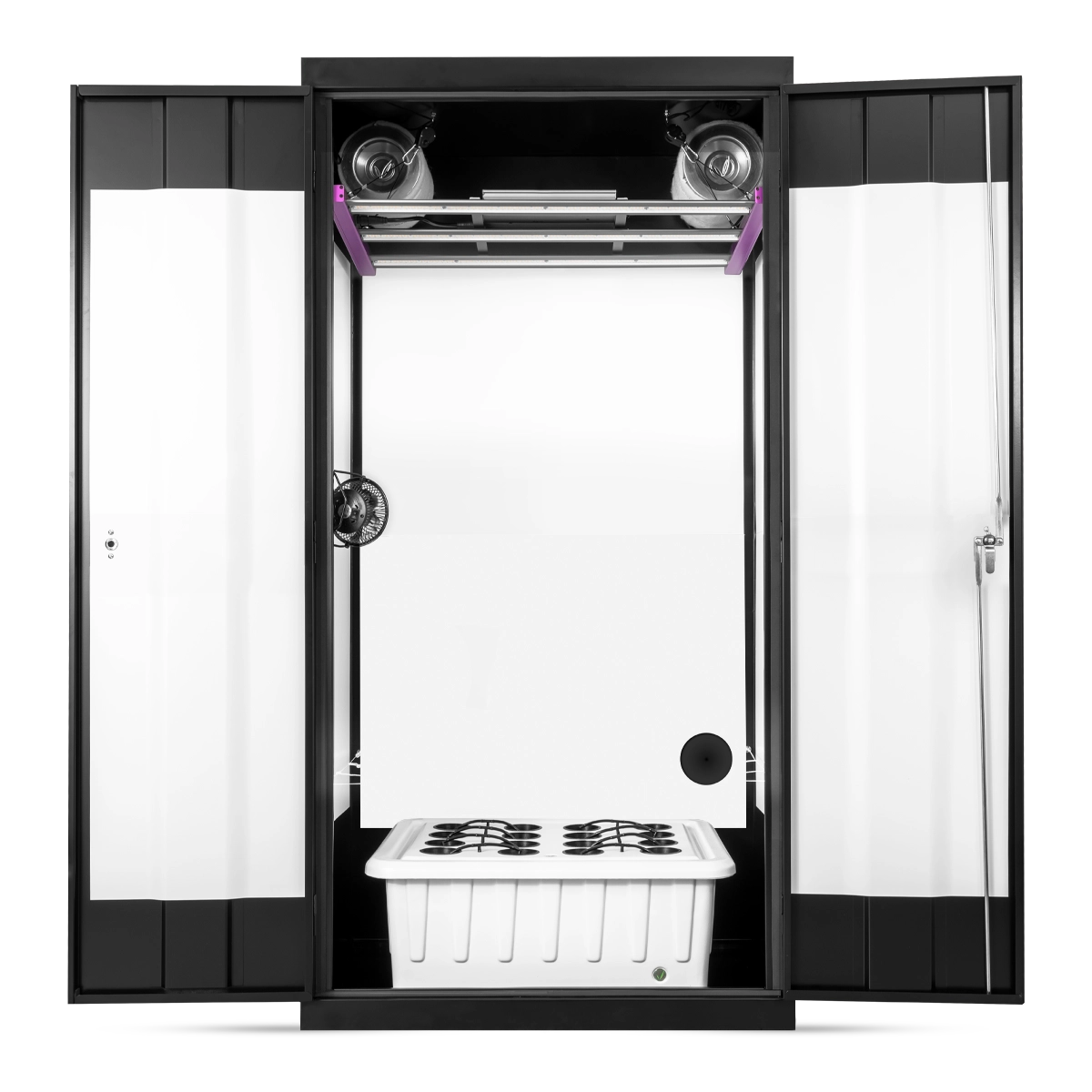
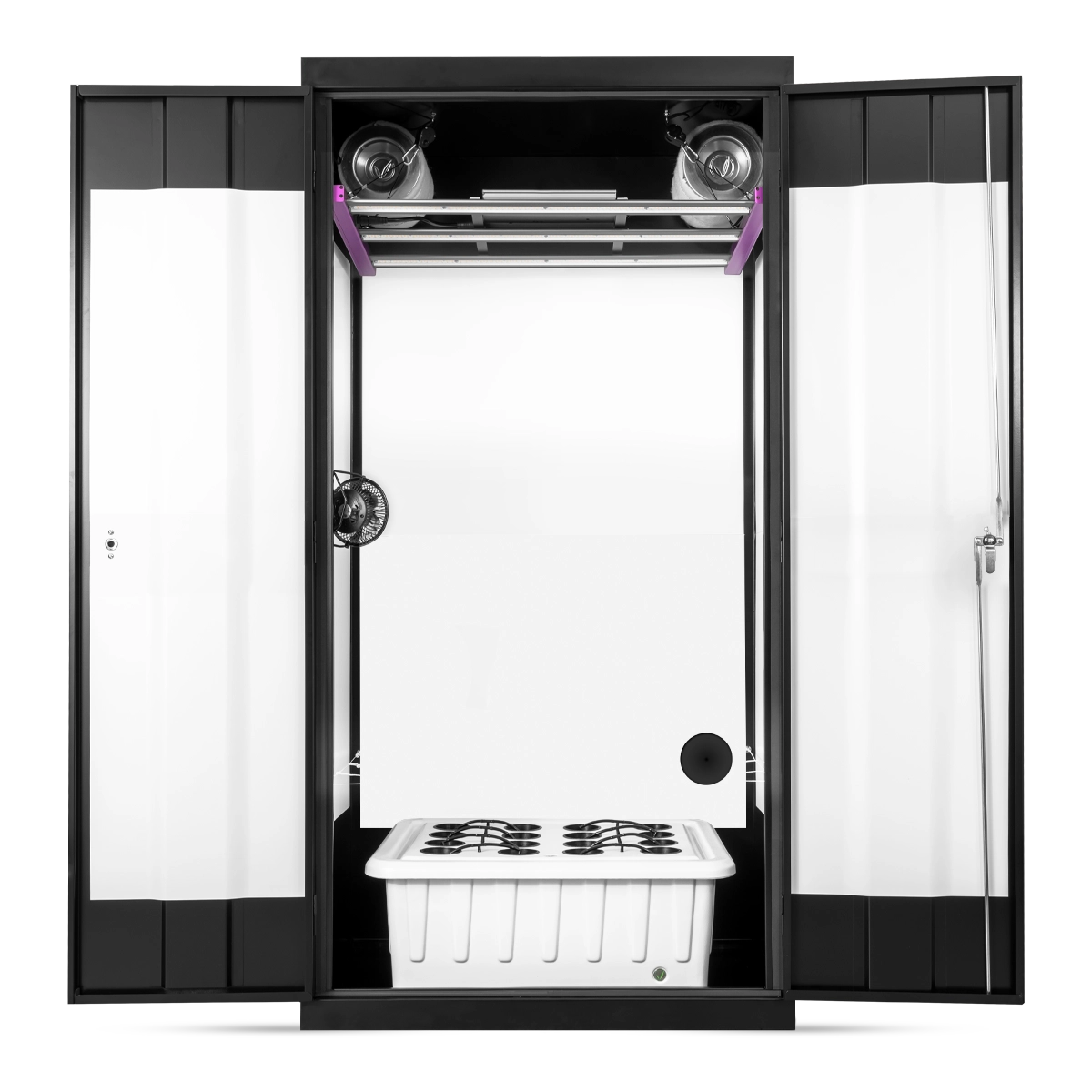
SuperCloset & GorillaHighest quality sustainable coconut carbon filters completely eliminate odors and pathogens for discreet clean growing. |
X
Unbranded FiltersCheap low grade carbon provides inadequate odor and pathogen control, leaving your grow exposed and detectable. |
| Grow Support |
Lifetime Grow SupportSuperCloset California growers are here to help you every step of the way. We are dedicated to your growing success. |
X
No Grow SupportGood luck getting the help you need. Most companies don’t offer any service or support after the sale. |
| Awards |

Industry’s Most Awarded CompanyInnovation and uncompromising quality led to 13x winner of Gear of the Year awards. |
X
Untested. Unproven.Awards aren’t everything. But they can help determine the leaders from the followers. |
| Reviews |

Top Rated on TrustpilotWe’re the highest rated grow systems in the industry, according to our customers. |
X
Self Proclaimed ReviewsNo established, industry backed results means you’re taking a chance and risking your growing success. |
|
VS |
Other Brands |
|---|---|---|
Kind LED Grow LightsBest grow lights of 2021 with industry leading, plant focused light spectrum. |
X
|
Cheap White LightsDo not settle for a cheaply made, under powered LED grow light! This is the heart of your system. |
Gorilla Grow TentThese tents are the tallest, thickest, strongest tents in the industry. |
X
|
Flimsy Grow TentsCheap tents fall apart, leak light, and can collapse, creating safety hazards. |
SuperPonicsAward-winning hydroponic systems are optimized for growing faster healthier plants with virtually no maintenance. |
X
|
Converted Storage BinsNot designed for hydroponics. Cheap thin plastic, cracks and leaks under use potentially leaching chemicals into your reservoir over time. |
Lotus Premium NutrientsThe highest quality nutrient line in the industry is also the easiest to apply for simple growing and amazing results every time. |
X
|
Generic NutrientsCheap 9-12 part liquid recipes are complicated, prone to error, messy, and offer unpredictable mediocre results. |
SuperCloset & GorillaHighest quality sustainable coconut carbon filters completely eliminate odors and pathogens for discreet clean growing. |
X
|
Unbranded FiltersCheap low grade carbon provides inadequate odor and pathogen control, leaving your grow exposed and detectable. |
Lifetime Grow SupportSuperCloset California growers are here to help you every step of the way. We are dedicated to your growing success. |
X
|
No Grow SupportGood luck getting the help you need. Most companies don’t offer any service or support after the sale. |
Industry’s Most Awarded CompanyInnovation and uncompromising quality led to 13x winner of Gear of the Year awards. |
X
|
Untested. Unproven.Awards aren’t everything. But they can help determine the leaders from the followers. |
Top Rated on TrustpilotWe’re the highest rated grow systems in the industry, according to our customers. |
X
|
Self Proclaimed ReviewsNo established, industry backed results means you’re taking a chance and risking your growing success.
|